
wall mounted lighted makeup mirror
Understanding Internal Bore Gauges A Key Tool in Precision Measurement In the world of manufacturing and engineering, precision is paramount. Components must meet exact specifications to ensure proper fit and function, especially in industries such as automotive, aerospace, and machinery. One of the essential tools in achieving this accuracy is the internal bore gauge. This specialized instrument plays a critical role in measuring the internal diameters of cylindrical objects, such as boreholes and pipes, where traditional measurement methods may fall short. What is an Internal Bore Gauge? An internal bore gauge is designed specifically for measuring the inside dimensions of holes, tubes, and other cylindrical objects. Unlike external calipers that measure the outside diameter, bore gauges focus on internal features, providing precision measurements crucial for quality control and assessment. These gauges come in various forms, with some utilizing mechanical means and others relying on electronic technology to provide readouts. Types of Internal Bore Gauges There are primarily two types of internal bore gauges – mechanical and electronic . 1. Mechanical Bore Gauges These gauges often consist of a set of extending arms or probes that fit inside the bore. The user inserts the tool into the bore, expands the arms to contact the internal surface, and then removes it for measurement against a calibrated reference or measuring scale. Mechanical gauges are durable, straightforward, and usually do not require batteries or complex calibration. 2. Electronic Bore Gauges These modern devices use electronic sensors to measure dimensions automatically. They often come equipped with digital displays that provide instantaneous readings, making them faster and easier to use than their mechanical counterparts. Additionally, many electronic bore gauges can interface with computer systems for data collection and analysis, enhancing workflow efficiency in manufacturing environments. How to Use an Internal Bore Gauge Using an internal bore gauge involves several straightforward steps internal bore gauge 1. Preparation Ensure the gauge is clean and well-calibrated. Understand the specifications of the bore you intend to measure. 2. Insertion Carefully insert the gauge into the bore, avoiding any force that could potentially damage the measuring instrument or alter the bore’s dimensions. 3. Adjustment Expanding the arms (in mechanical gauges) or aligning the probes (in electronic gauges) to contact the internal walls of the bore is key. Ensure a snug fit without excessive pressure. 4. Reading the Measurement Once the gauge is positioned correctly, remove it from the bore and read the measurement from either the scale or digital display. 5. Verification For accuracy, it’s often recommended to take multiple measurements at different depths or positions to account for any imperfections in the bore. Importance of Internal Bore Gauges The importance of internal bore gauges cannot be overstated. They ensure that the internal diameters of a product are consistent with design specifications, which is critical for components that fit together in assemblies. An incorrect diameter can lead to mechanical failure, safety hazards, and increased costs due to reworking or replacing defective parts. Moreover, regular use of bore gauges can significantly reduce waste in manufacturing, as they help identify potential issues before the production process moves too far along. This proactive approach not only saves time but also enhances the overall quality of the products being produced. Conclusion In summary, internal bore gauges are indispensable tools in the field of precision measurement. Whether in mechanical or electronic form, these gauges provide essential insights into the internal dimensions of cylindrical objects, guiding manufacturers to achieve the precision needed for quality assurance. As industries continue to demand higher accuracy, the relevance and application of internal bore gauges will only continue to grow, making them vital components in the toolbox of engineers and quality control professionals alike.
about
wall mounted lighted makeup mirror
Understanding Level Measurement Tools Precision in Liquid and Solid Material Management In the realm of industrial processes, accurate measurement of material levels in containers, tanks, silos, or any holding vessel is paramount to ensuring efficient operations, safety, and cost-effectiveness. Level measurement tools play a pivotal role in monitoring and controlling inventory, preventing overflows or running dry situations, and optimizing process control. With advancements in technology, a myriad of level measurement techniques have emerged, catering to diverse applications across industries, from chemical plants to food processing units. This article delves into the significance of level measurement, explores various types of measurement tools, and highlights their unique advantages. **The Significance of Accurate Level Measurement** Precise level measurement is crucial for several reasons. Firstly, it enables efficient inventory management, allowing industries to maintain optimal stock levels and avoid unnecessary downtime due to stockouts or overstocking. Secondly, it contributes to process control and automation, ensuring that reactions, mixtures, or storage conditions are precisely regulated. Safety is another vital aspect; incorrect level measurements can lead to spills, overpressurization, or even explosions in extreme cases. Lastly, accurate measurements aid in enhancing product quality and reducing waste, thereby positively impacting the bottom line. **Types of Level Measurement Tools** Level measurement tools can be broadly classified into four categories based on their operating principles direct contact, non-contact, continuous, and point level measurement devices. 1. **Direct Contact Methods** These involve sensors or probes coming into direct contact with the measured medium. Common examples include float & tape, capacitance probes, and displacers. Float & tape systems are simple and reliable, suitable for large tanks, while capacitance probes detect changes in capacitance between electrodes to measure levels of liquids or solids. Displacer-type transmitters use the buoyancy principle for high-accuracy liquid level measurement. 2. **Non-Contact Methods** These employ technologies like ultrasonic, radar, or laser to measure levels without physical contact **Non-Contact Methods** These employ technologies like ultrasonic, radar, or laser to measure levels without physical contact **Non-Contact Methods** These employ technologies like ultrasonic, radar, or laser to measure levels without physical contact **Non-Contact Methods** These employ technologies like ultrasonic, radar, or laser to measure levels without physical contact level measurement tool . Ultrasonic level meters send sound waves that reflect off the surface and calculate the distance to determine the level. Radar level transmitters use high-frequency electromagnetic waves, capable of penetrating vapor or dust layers, making them ideal for harsh environments. Laser-based systems offer high accuracy and are often used in applications requiring extreme precision. 3. **Continuous Level Measurement** As the name suggests, these tools provide continuous level data, enabling real-time monitoring and control. They encompass a wide range, including guided wave radar (GWR), which uses a probe guided along the tank's length, transmitting electromagnetic pulses to measure level, and time-of-flight methods employed by radar and ultrasonic systems. 4. **Point Level Measurement** These devices signal when a predetermined level has been reached, often used as alarms to prevent overfills or empty conditions. Technologies range from basic mechanical switches (like float switches) to more advanced electronic sensors like vibrating fork sensors, which detect changes in vibration frequency when the medium comes into contact with the forks. **Selecting the Right Tool for the Job** Choosing the appropriate level measurement tool depends on factors such as the type of material being measured (liquid, solid, granular), its properties (viscosity, conductivity, density), the environment (temperature, pressure, corrosivity), and the required accuracy and response time. For instance, non-contact radar is preferred in high-temperature or pressurized vessels, while capacitance probes excel in measuring interfaces between two immiscible liquids. **Conclusion** Accurate level measurement is an indispensable part of modern industrial processes, directly influencing efficiency, safety, and profitability. The array of level measurement tools available ensures that there's a solution tailored to every application's specific needs. Whether it's a simple point level switch for a small tank or a sophisticated radar system for a large silo, understanding the strengths and limitations of each technology is key to implementing effective level control strategies. As technology advances, we can expect even more innovative and precise measurement solutions to emerge, further enhancing process control capabilities across industries.
-

High quality industrial productsagement

High quality industrial products
View Details -

Meet the diverse needs of customers

Meet the diverse needs of customers
View Details -

Strict quality control

Strict quality control
View Details -

Top raw materials

Top raw materials
View Details -

Trusted supplier

Trusted supplier
View Details
Our application


news and information
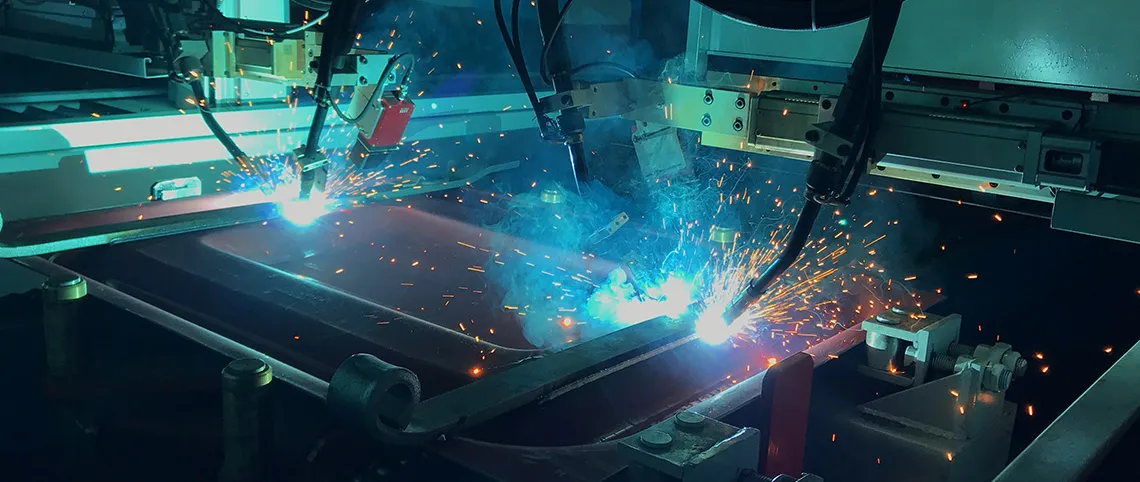
Versatile 4x8 Foot Welding Table for Efficient Metalworking and Fabrication
4x8 welding table .

v bloková cena
V současné době se v oblasti kryptoměn stále více hovoří o různých aspektech cen a jejich vlivu na t
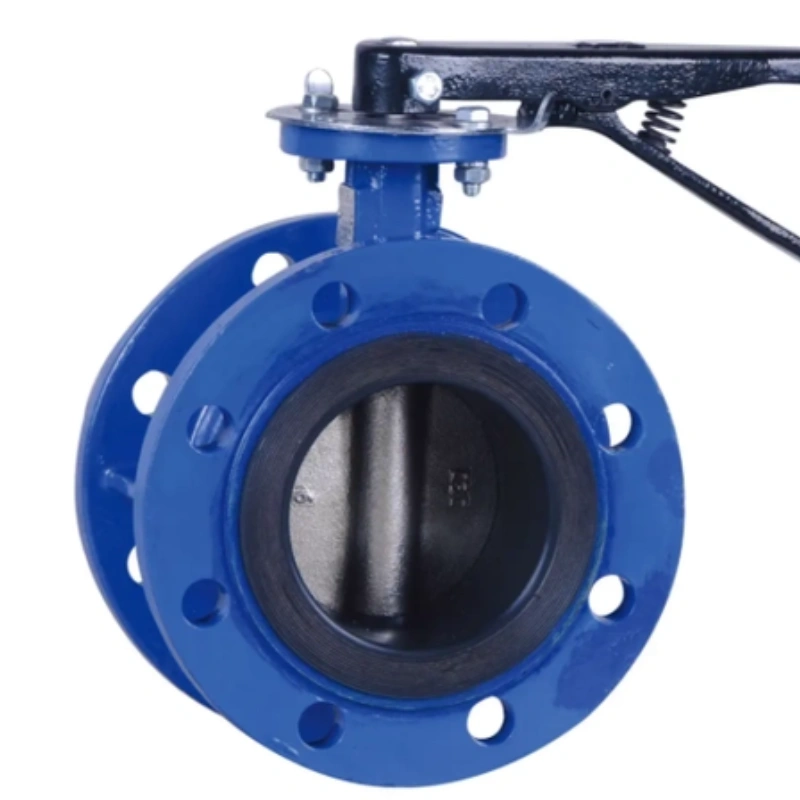
water line valve
Navigating Your Water Line Valve Needs An Expert Perspective For homeowners and industry professiona
 English